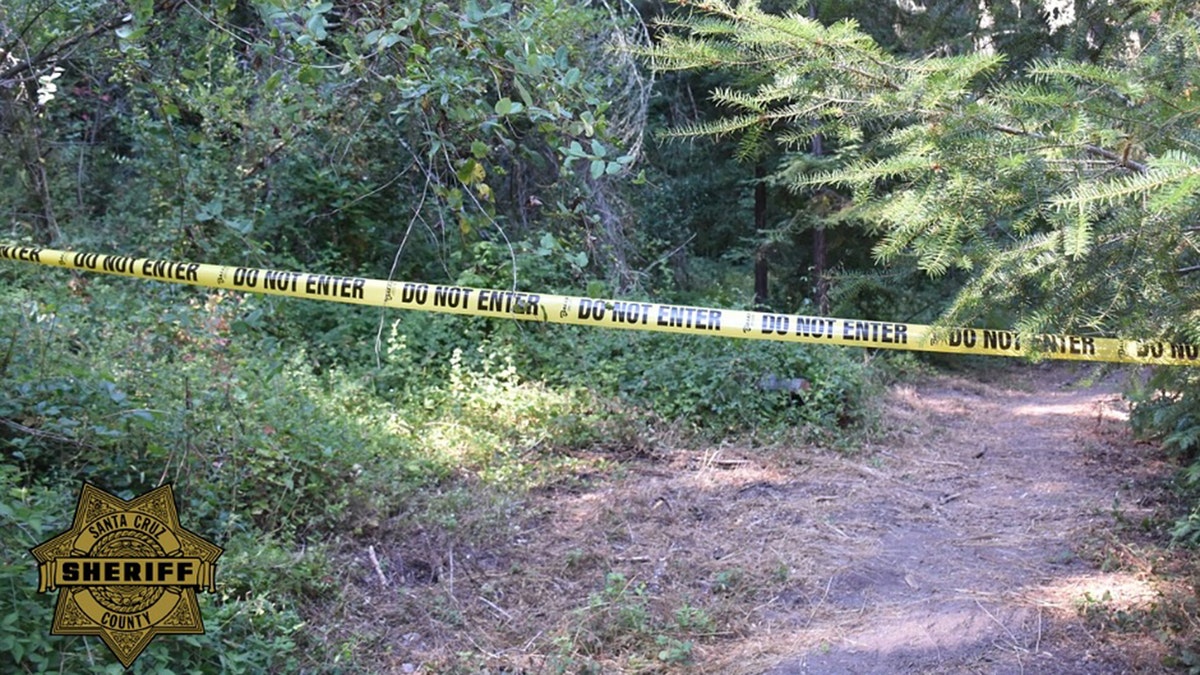
Another body has been discovered near the same Florida bridge where the remains of one of two missing college students were found just days earlier, escalating a growing public safety concern and deepening the mystery behind their disappearances. Law enforcement officials have not yet confirmed the identity of the second victim, but early reports suggest the discovery site is within close proximity to the previous find—fueling speculation of a possible connection.
The discovery spot, near a seldom-monitored overpass in a rural stretch of northern Florida, has become the epicenter of a widening investigation. What began as a missing persons case involving two university students has rapidly transformed into a high-stakes criminal probe with implications for campus safety, forensic response, and community trust in local law enforcement.
This article examines the timeline, investigative hurdles, and broader context of the case—offering clarity where possible and highlighting critical questions still unanswered.
Timeline of Events: From Disappearance to Dual Discoveries
The case began when two students from a regional state university were reported missing by family members after failing to return from what was described as a weekend trip. Early surveillance footage showed their vehicle crossing a rural bridge late Saturday night. That bridge, spanning a densely wooded creek, quickly became a focal point in the search.
First Body Found: A Grim Break
Just 48 hours after the initial missing persons report, human remains were discovered beneath the bridge, partially submerged in shallow water. The location matched the last known trajectory of the students’ vehicle. Forensic teams used dental records and personal effects to confirm the identity of one student. Cause of death remains under investigation, but early autopsy results indicated trauma consistent with blunt force injury.
Authorities then intensified ground and aerial searches in the immediate area, expanding the perimeter by over two square miles. Canine units, drones, and dive teams were deployed to comb through thick underbrush and adjacent drainage zones.
Second Body Located: A Pattern Emerges
Four days after the first discovery, another set of remains was found approximately 200 yards east of the original site, concealed beneath fallen branches near the creek bank. While official confirmation is pending, the proximity, similar concealment tactic, and timing strongly suggest a deliberate act.
Law enforcement sources have not ruled out foul play and are treating the scene as a potential crime site. Evidence markers now dot both locations, and investigators are analyzing soil samples, tire tracks, and fiber traces in hopes of linking the two deaths to a single perpetrator—or a series of connected events.
Law Enforcement Response: Challenges and Public Pressure
The Florida Sheriff’s Office, now leading the investigation, faces mounting pressure to deliver answers quickly. Families of the missing students, the university community, and local residents are demanding transparency and swift action.
Limited Surveillance and Terrain Obstacles
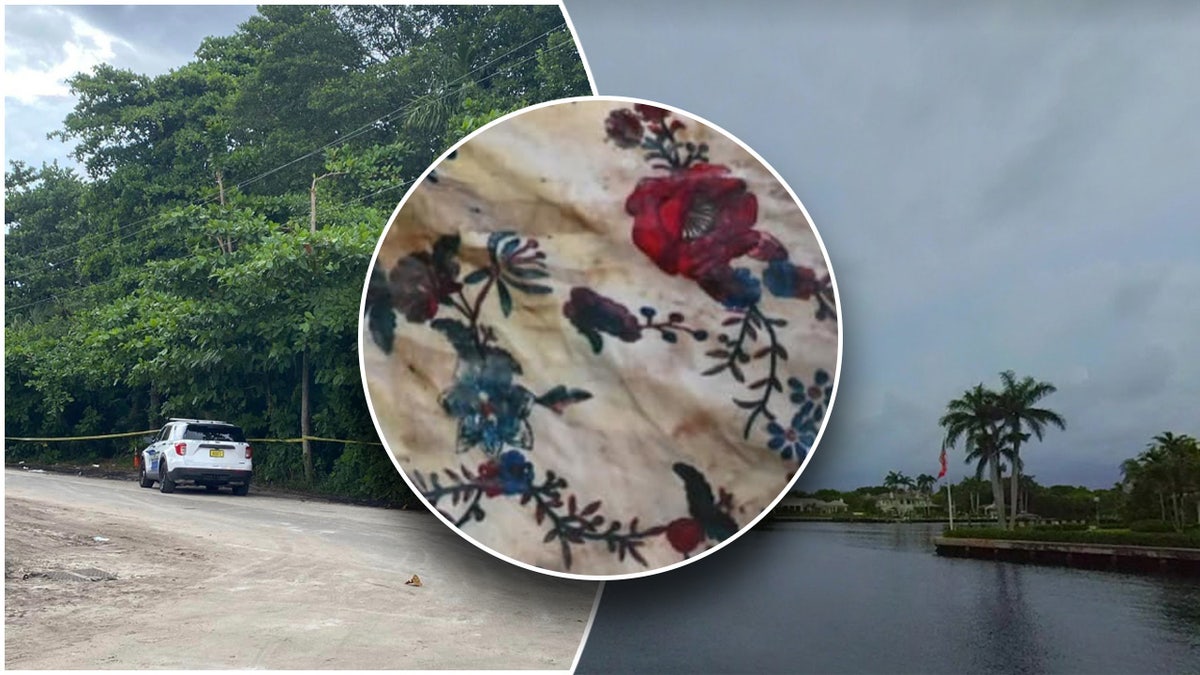
One of the biggest investigative hurdles is the lack of continuous surveillance along the rural route. While the bridge itself is monitored by a single traffic camera, the surrounding area—where both bodies were found—has no active video coverage. This gap has severely limited investigators’ ability to track movements before and after the students’ vehicle passed through.
Additionally, the terrain is difficult: swampy ground, thick foliage, and nocturnal wildlife activity have complicated evidence preservation. Rainfall in the days following the initial disappearance washed away potential footprints and degraded biological samples.
Despite these challenges, Sheriff Lana Delgado stated during a press briefing: “We are following every lead, no matter how small. This is not just a case of two missing students. We are treating this as a potential serial crime scene until proven otherwise.”
Forensic Analysis: What the Evidence Suggests
Forensic teams have been working around the clock to piece together clues from both sites. Early findings suggest the bodies were not moved post-mortem, indicating the victims may have been attacked near where they were found.
Key Forensic Indicators
- Positioning: Both bodies were placed to avoid immediate visibility—suggesting the perpetrator had time and intent.
- Time of Death: Preliminary estimates place both deaths within a 12-hour window, shortly after the students were last seen.
- Personal Effects: One victim’s phone was recovered 300 yards from the bridge, smashed beyond digital recovery. The other’s backpack was found near the second body, empty except for a water bottle and a torn map of the area.
- DNA and Trace Evidence: Hair fibers and partial shoe impressions have been collected. Investigators are comparing them to known offenders in regional databases.
While no arrests have been made, law enforcement has reportedly identified several persons of interest, including individuals with prior criminal records who were seen in the area around the time of the disappearances.
University and Community Reaction: Fear and Calls for Action
The university has canceled classes for the remainder of the week and activated its emergency response team. Counseling services are now available 24/7, and campus patrols have doubled in frequency.
Students, many of whom knew the missing pair, have expressed shock and fear. “They were just like us—studying, working part-time, planning their future,” said Marcus Trevino, a junior in the biology program. “Now they’re gone, and we don’t even know why.”
Local residents are also on edge. A neighborhood watch group has formed near the bridge, conducting nightly patrols with flashlights and radios. Some are calling for permanent lighting and security cameras to be installed at the site.
At a community meeting, one parent asked: “How many more have to die before someone acts?” The sentiment reflects a growing frustration with perceived gaps in public safety infrastructure.
Broader Implications: Rural Crime Gaps and Student Safety
This case underscores a critical vulnerability: isolated roadways and bridges often fall through the cracks of urban-focused crime prevention strategies. While cities invest in smart surveillance and rapid response units, rural areas—where many college students travel for weekend trips or outdoor recreation—remain underprotected.
Common Risk Factors Identified
- Lack of Lighting: Many rural bridges have no streetlights, increasing risk after dark.
- Sparse Patrols: Highway patrol coverage is often limited to major routes.
- Delayed Reporting: Victims in remote areas may go unnoticed for hours.
- Limited Connectivity: Poor cell service hinders emergency calls and GPS tracking.
Universities typically advise students to travel in groups and share itineraries, but compliance is inconsistent. This incident may prompt institutions to integrate real-time check-in apps or mandatory safety briefings for off-campus travel.
Potential Theories: What Could Have Happened?
While the investigation remains ongoing, law enforcement and criminal behavior experts have proposed several working theories.
Theory 1: Targeted Attack
One possibility is that the students were specifically targeted—perhaps due to mistaken identity, a prior conflict, or an attempted robbery that escalated. The vehicle was found undisturbed two miles from the bridge, suggesting the attack may not have been motivated by theft.
Theory 2: Opportunistic Crime
Another theory points to an opportunistic offender using the secluded bridge as a hunting ground. The area’s reputation for late-night loitering and illicit activity makes it a plausible ambush site.
Theory 3: Serial Offender Pattern
The close proximity of the two bodies, similar concealment methods, and tight time frame have raised concerns about a serial offender. Florida’s history with such cases—like the I-75 killers in the 1990s—lends credibility to this hypothesis. Investigators are now reviewing cold cases for similarities.
No single theory has gained definitive traction, but each informs the direction of the investigation.
What Families and the Public Can Do
While law enforcement handles the forensic and operational aspects, the public plays a vital role in supporting the investigation and promoting safety.
Actionable Steps for Communities
- Report Suspicious Activity: Even minor details—like a vehicle circling a remote road—can be crucial.
- Use Safety Apps: Students should use location-sharing tools like Life360 or Noonlight when traveling off-campus.
- Advocate for Infrastructure: Push local governments to install lighting, emergency call boxes, and cameras on high-risk bridges.
- Stay Informed: Follow verified updates from law enforcement; avoid spreading unconfirmed rumors on social media.
Families of the victims have also launched a joint reward fund of $50,000 for information leading to an arrest—underscoring the urgency of the case.
Conclusion: A Community in Mourning, A System Under Scrutiny
The discovery of a second body near the Florida bridge where one missing student was previously found has turned a tragic disappearance into a full-scale criminal investigation with regional implications. While identities are pending and motives unclear, the pattern of events suggests a calculated act—one that has exposed critical gaps in rural safety and emergency response.
As forensic teams continue their work and law enforcement narrows its focus, the public must remain vigilant. This case is not just about two lives lost. It’s a warning about the vulnerabilities that exist in overlooked spaces—and the urgent need for better protection, faster response, and deeper community engagement.
For now, the bridge stands as a grim monument. But it may also become a catalyst for change—if the right lessons are learned.
FAQ
What bridge in Florida was the body found near? The body was discovered near a rural overpass in northern Florida, though officials have not released the bridge’s official name due to ongoing investigation protocols.
Are the two missing students connected to the same university? Yes, both were enrolled at a regional state university and were last seen together during a weekend trip.
Has anyone been arrested in connection with the case? As of now, no arrests have been made. Law enforcement has identified persons of interest but has not named any suspects publicly.
What caused the deaths of the victims? The exact cause of death has not been released. Autopsy reports indicate trauma, but specifics are pending full forensic analysis.
How can the public help with the investigation? Individuals can report tips to the Florida Sheriff’s Office tip line or submit anonymous information through the Crime Stoppers program.
Were the bodies moved after death? Preliminary evidence suggests the bodies were not transported far, indicating the attacks likely occurred near the discovery sites.
Is the area around the bridge considered dangerous? While not officially classified as high-crime, the remote location, lack of lighting, and limited patrols have raised concerns about safety, especially at night.

:max_bytes(150000):strip_icc():focal(728x145:730x147)/malcolm-in-the-middle-reboot-justin-berfield-erik-per-sullivan-frankie-munz-bryan-cranston-032625-ba641070781e4402978a76b2ed030e7c.jpg)