Students and visitors arriving at Ivy Tech Community College in Evansville often face the same challenge: where exactly is their classroom, the financial aid office, or the nearest parking lot? Without a clear, up-to-date map, navigating the campus can feel like wandering through a maze. The Ivy Tech Evansville map isn’t just a visual aid—it’s a critical tool for daily success, saving time, reducing stress, and helping new students acclimate quickly.
This guide delivers more than just a link to a PDF. It breaks down the layout of the Evansville campus, highlights key buildings, explains parking logistics, and offers real-world navigation tips you won’t find in official brochures. Whether you’re a first-time student, a parent dropping off supplies, or a guest attending an event, this resource ensures you move through campus with confidence.
Why the Ivy Tech Evansville Map Matters More Than You Think
A campus map is often treated as an afterthought—something you glance at before orientation and forget. But at Ivy Tech Evansville, the campus spans multiple buildings across a developed urban corridor, with separate zones for academics, labs, student services, and parking. Misreading the map can mean missing a 9:00 a.m. anatomy lab by ten minutes—not because you left late, but because you circled Building T for 15 minutes trying to find the right entrance.
The real value of the Ivy Tech Evansville map lies in its ability to streamline your day. It helps you:
- Locate classrooms before the first week of term
- Find testing centers and tutoring services quickly
- Identify accessible entrances and ADA-compliant routes
- Plan efficient routes between back-to-back classes
- Locate food services and rest areas during long study days
Students who take five minutes to study the campus layout often cut their daily walking time in half. It’s not about memorizing every square foot—it’s about understanding zones and flow.
Key Buildings on the Ivy Tech Evansville Campus
The Evansville campus isn’t a single monolithic building. It’s a network of interconnected facilities, each serving a specific academic or administrative function. Knowing what’s where eliminates confusion and reduces wasted time.
Here’s a breakdown of the most frequently visited buildings and what you’ll find inside:
#### Building A – Academic & Administration Hub This is often the first stop for new students. Building A houses: - Admissions and Records - Financial Aid Office - Registrar services - Academic advising - President’s office
Pro tip: If you’re registering for classes or resolving a hold on your account, start here. The welcome desk near the main entrance can direct you to the right office.
#### Building B – Science & Health Education Home to high-demand programs like nursing, radiology, and biology, Building B features: - Anatomy and physiology labs - Simulation labs for healthcare training - Chemistry and biology classrooms - Faculty offices for science instructors
Warning: Access to some labs is restricted. Don’t assume you can walk in—check your course syllabus or speak with your instructor first.
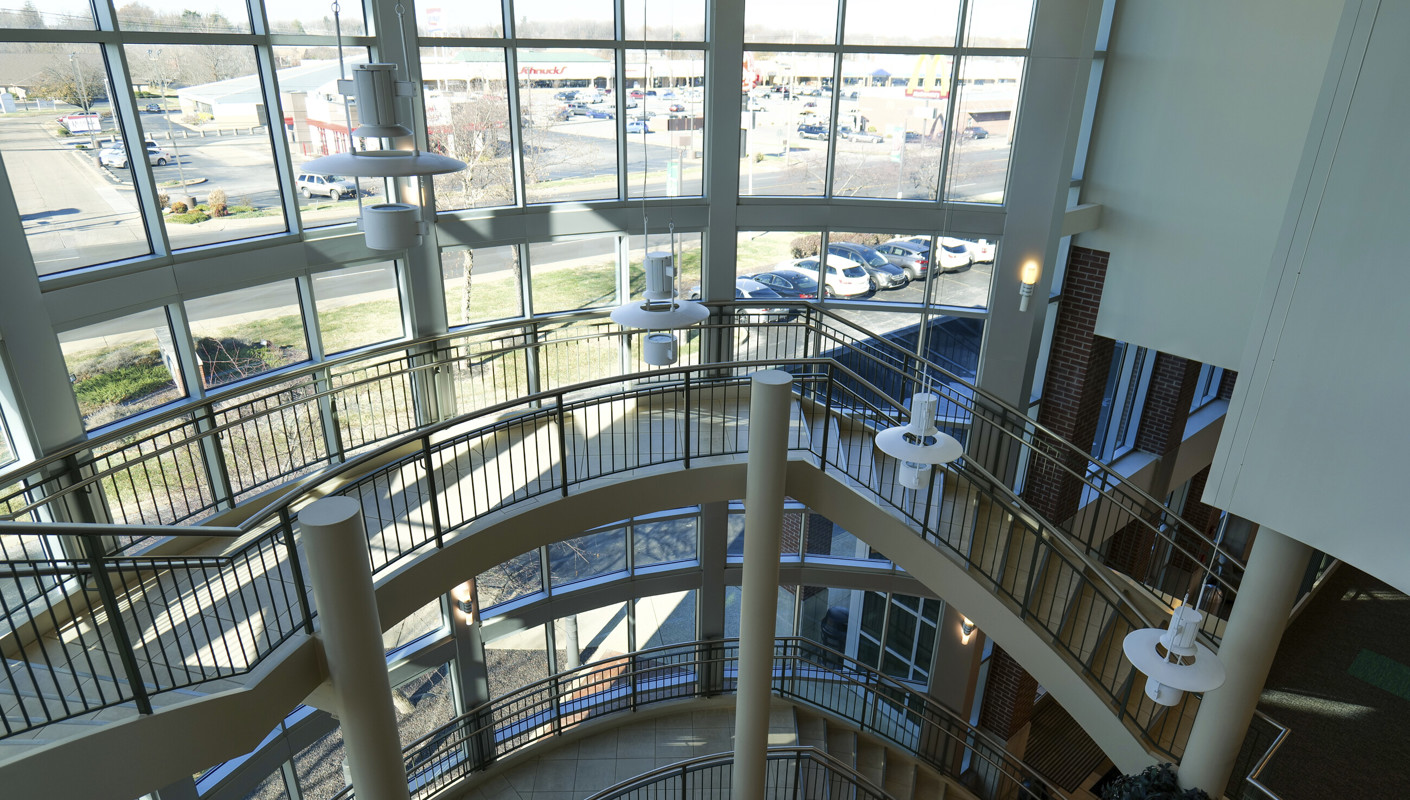
#### Building C – Student Services & Learning Commons This building is designed for student success. It includes: - The library and research center - Tutoring and writing labs - Computer labs and printing stations - Student government offices - Disability support services
This is also where many students spend downtime between classes. Comfortable seating, free Wi-Fi, and quiet zones make it a popular study spot.
#### Building T – Technical & Trade Programs For students in industrial technology, HVAC, or automotive programs, Building T is essential. It features: - Machine shops and welding bays - Automotive repair garages - Electrical and plumbing training labs - Safety training rooms
Due to equipment and safety protocols, public access is limited. Visitors must be escorted.
#### Building F – Fine Arts & General Education Often overlooked, Building F hosts: - English and humanities classrooms - Art studios and music practice rooms - Theater and performance spaces - Speech and communications labs
This building offers a quieter, more creative atmosphere—ideal for students in liberal arts or transfer programs.
How to Access the Official Ivy Tech Evansville Map
The most reliable version of the campus map is hosted on the Ivy Tech website. Here’s how to find it:
- Go to ivytech.edu/evansville
- Click on “Campus Resources” in the top menu
- Select “Campus Map” from the dropdown
- Download the PDF or view the interactive version
The map is typically updated each academic year to reflect construction, closures, or relocations. Always check the version date—some third-party sites host outdated versions that may mislead you.
For mobile users, the map is not embedded in a dedicated app, but the PDF is mobile-friendly. Save it to your phone’s home screen for quick access.
Parking Made Simple: Where to Park at Ivy Tech Evansville
One of the most common frustrations? Finding legal parking. With limited spaces and strict enforcement, guessing where to park can lead to fines.
The Evansville campus operates a color-coded parking system:
| Lot | Color | Who Can Park | Notes |
|---|---|---|---|
| Lot 1 | Blue | Faculty/Staff | Not for student use |
| Lot 2 | Green | Students | Closest to Buildings A and C |
| Lot 3 | Yellow | Students & Visitors | Near Building B, overflow zone |
| Lot 4 | Red | Handicap | Requires valid permit |
| Lot 5 | White | Event Parking | Reserved during campus events |
Students must display a valid parking permit—available for free at the Welcome Center in Building A. Without it, you risk being ticketed.
Pro navigation tip: If Green and Yellow lots are full, don’t circle endlessly. Use the sidewalk that connects Lot 5 to Building C—it’s a five-minute walk and often has space.
Avoid parking on surrounding residential streets without checking city signage. Neighborhood enforcement is active, and tow zones are common.
Navigating Between Classes: Smart Routes and Time-Saving Tips
Back-to-back classes are common at community colleges, and the Evansville campus has indoor and outdoor pathways that impact your timing.
For example: - Moving from Building B (Science) to Building F (Fine Arts) requires crossing an open courtyard. In rain or extreme heat, this 4-minute walk can become uncomfortable. - Building A to Building C is fully walkable indoors via climate-controlled hallways—ideal during winter months.

Plan your class schedule with movement in mind. If you have a lab at 10:50 a.m. in Building T and a lecture at 11:00 a.m. in Building F, that’s not feasible without a ten-minute buffer. Students who build transition time into their schedules are less stressed and more punctual.
Use this quick-reference guide for average walk times:
- Building A → Building B: 3 minutes
- Building B → Building T: 4 minutes (outdoor path)
- Building C → Building F: 5 minutes
- Building A → Building F: 6 minutes (longest indoor route)
Tip: Save the campus map in your phone’s notes with annotations—like “Main elevator in Building A is near Room A105” or “Shortest path to restroom from Lab B203.”
Common Mistakes Visitors Make on the Evansville Campus
Even with a map, people get tripped up by small but costly errors.
- Assuming all buildings are connected indoors
- Only Buildings A, C, and F have covered walkways. Building T and B require outdoor walking. Dress accordingly.
- Using Google Maps for indoor navigation
- While Google Maps drops a pin on the campus, it doesn’t show building interiors or room numbers. Relying solely on it can leave you standing outside the wrong entrance.
- Parking in faculty lots “just for a minute”
- Security patrols daily. A five-minute stop to drop off paperwork can result in a $25 ticket.
- Not checking for construction zones
- Seasonal maintenance or facility upgrades can close sidewalks or entrances. Always glance at the campus alert board near Building A’s main doors.
- Arriving during peak hours without a plan
- 7:30–8:30 a.m. and 12:00–1:00 p.m. are the busiest. If you’re new, arrive early to park, locate your room, and settle in.
Maximizing Your Campus Experience
with the Right Tools
The physical map is just the start. Pair it with these tools for a smoother experience:
- MyIvy Portal: Check room assignments and class updates
- Text Alerts: Sign up for campus notifications about closures
- Printable Floor Plans: Available for Buildings A and C—ask at the Welcome Center
- Peer Navigation: New student orientation includes campus tours led by student ambassadors
For students with mobility challenges, the Disability Support Office in Building C can provide personalized navigation plans and escort services upon request.
Final Tips for Mastering the Ivy Tech Evansville Campus
You don’t need to memorize every building to feel confident on campus. Start with the basics: know where your first class is, where to park, and where to go for help. Use the official Ivy Tech Evansville map as a living document—annotate it, save it on multiple devices, and refer to it weekly.
First-week success often comes down to preparation. Ten minutes with the campus map can save you hours of confusion. Print it, pin it, or keep it in your backpack—make it part of your routine.
Arrive early your first day. Walk the route from your parking spot to each classroom. Note landmarks: the blue awning, the sculpture near Building C, the flagpole in front of A. These visual cues turn a confusing layout into familiar territory.
The campus map isn’t just about geography. It’s about ownership—of your time, your education, and your experience at Ivy Tech Evansville.
Frequently Asked Questions
Where is the main entrance at Ivy Tech Evansville? The primary entrance is at Building A, facing Lynch Road. This is where the Welcome Center and most administrative offices are located.
Is there a digital version of the campus map? Yes. The official interactive map is available on the Ivy Tech Evansville website and can be viewed or downloaded as a PDF.
Can visitors park on campus? Yes, visitors can park in Lot 3 (Yellow) or Lot 5 (White) but must obtain a temporary parking pass from the Welcome Center.
Are all buildings wheelchair accessible? Yes, all academic buildings have ADA-compliant entrances, elevators, and restrooms. Accessible parking is available in Lot 4.
How do I find my classroom before the semester starts? Log in to your MyIvy account, go to “My Courses,” and check the location listed for each class. Cross-reference with the campus map.
Is there a campus tour available? Yes. Scheduled tours are offered weekly and can be booked through the Evansville campus website.
Does the map show bathroom locations? The official PDF map includes building outlines but not restroom placements. Restrooms are typically near main hallways and elevators in each building.
FAQ
What should you look for in Ivy Tech Evansville Map – Campus Navigation Guide? Focus on relevance, practical value, and how well the solution matches real user intent.
Is Ivy Tech Evansville Map – Campus Navigation Guide suitable for beginners? That depends on the workflow, but a clear step-by-step approach usually makes it easier to start.
How do you compare options around Ivy Tech Evansville Map – Campus Navigation Guide? Compare features, trust signals, limitations, pricing, and ease of implementation.
What mistakes should you avoid? Avoid generic choices, weak validation, and decisions based only on marketing claims.
What is the next best step? Shortlist the most relevant options, validate them quickly, and refine from real-world results.

:max_bytes(150000):strip_icc():focal(728x145:730x147)/malcolm-in-the-middle-reboot-justin-berfield-erik-per-sullivan-frankie-munz-bryan-cranston-032625-ba641070781e4402978a76b2ed030e7c.jpg)