
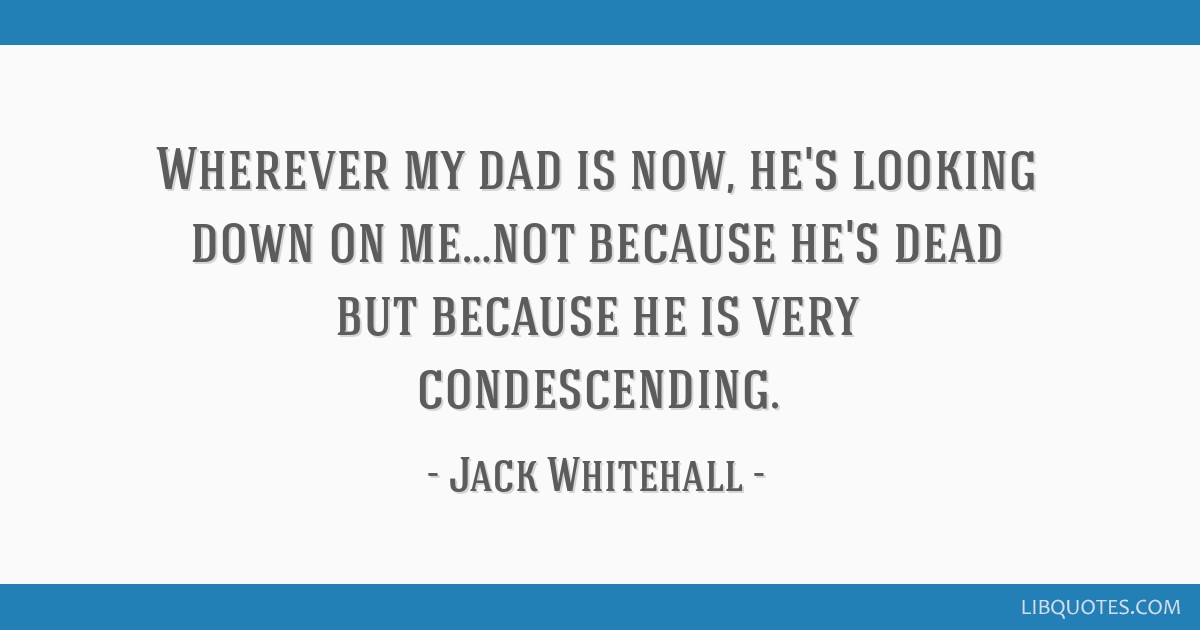
Jack Whitehall doesn’t need a eulogy to talk about his father. He just needs a microphone and a slightly exasperated tone. When he says, “I’m sure wherever my dad is, he’s looking down on us. He’s not dead, just very…”, he’s not making light of grief—he’s exposing the absurdity of social performance, the quiet dysfunction in family dynamics, and the masks we wear in professional and personal life. This single line, often shared as a quote of the day, isn’t just comedy. It’s cultural commentary disguised as a punchline.
Beneath the polished suits and travel documentaries lies a deeper narrative: one about honesty, emotional labor, and the awkward truths we avoid in modern work culture. That’s why this quote resonates far beyond fans of Travels with My Father. It’s a mirror.
The Genius of the "Looking Down on Us" Line
On the surface, the joke hinges on subverting an overused phrase. “Looking down on us” typically follows a death. Jack repurposes it to describe his living, disapproving father—Michael Whitehall—turning familial tension into universally relatable humor.
But the real power lies in its layered honesty. He’s admitting: - His father judges him constantly. - That judgment feels omnipresent, almost supernatural. - He’s aware of the absurdity but powerless to stop it.
This isn’t just comedy. It’s emotional transparency packaged with timing and delivery. The quote works as a “quote of the day” because it’s short, memorable, and emotionally honest—three traits most leadership mantras lack.
In a world where motivational quotes are scrubbed clean of conflict, Jack’s line stands out for embracing discomfort. It doesn’t promise success. It acknowledges surveillance—from parents, bosses, society—and laughs in its face.
Honesty as a Leadership Tool (Not a Liability)
Most corporate training treats honesty as a risk. “Be diplomatic,” they say. “Don’t rock the boat.” But Jack Whitehall’s humor proves the opposite: raw honesty—when framed with self-awareness—builds trust.
Consider how he portrays his father in their Netflix series. Michael is elitist, out of touch, and emotionally reserved. Jack doesn’t hide it. He highlights it. And in doing so, viewers don’t reject Michael—they see their own dads, bosses, or mentors in him.
In work culture, this approach is revolutionary. Leaders who admit flaws, contradictions, or generational gaps don’t lose credibility. They gain authenticity.
Real-world application: A manager might say, “I know the old way of doing this isn’t efficient, but it’s what I was trained in. Let’s figure out a better way together.” That’s Jack Whitehall energy—vulnerable, collaborative, and human.
Compare this to the polished, TED Talk-ready leader who claims to have all the answers. Who do employees trust more?
Work Culture Through the Lens of Comedy
British comedy has always punctured pretension. From The Office to Derry Girls, it exposes the gap between how we present ourselves and how we actually behave. Jack Whitehall operates in this tradition.
His quote about his dad isn’t just about family. It’s about hierarchical tension—a dynamic that defines most workplaces.
Think about it: - The boss who watches Slack status like a hawk. - The manager who “pops by” your desk “just to check in.” - The executive who emails at midnight, making everyone feel guilty for sleeping.
These are modern versions of “looking down on us.” The gaze isn’t from heaven—it’s from three floors up, or worse, from an iPad in a luxury car.
Jack’s humor reframes this as absurd, not authoritative. That shift in perspective is critical. When we laugh at surveillance, we reclaim power from it.
Common mistake in workplace communication: Leaders often confuse authority with presence. Being “visible” doesn’t mean hovering. It means being genuinely available—without the judgmental aura of a disapproving British father.
Human Nature: Why We Perform, Even
When No One’s Watching
Jack’s line works because it touches on a core human truth: we’re always performing.
Psychologists call it impression management. Sociologists label it role theory. Jack calls it “Dad energy.”
We adjust our behavior based on perceived observers. Even when alone, we imagine judgment. That’s why guilt hits after a lazy Sunday. That’s why employees clean their desktops before a Zoom call.
Jack’s father may not be dead, but the idea of him is omnipresent. That’s how emotional authority works. It doesn’t require physical presence—just internalized scrutiny.
This has direct parallels in workplace culture: - Employees who overwork not because of deadlines, but because they “feel watched.” - Teams that avoid innovation due to an unspoken fear of criticism. - Leaders who maintain rigid personas because they believe authenticity is weakness.
Jack’s comedy invites us to question these invisible rules. If we can laugh at a father “looking down” from a first-class lounge, maybe we can laugh at the internalized boss in our heads too.
The Role of Self-Deprecation in Building Connection
One reason Jack’s quote spreads as a “quote of the day” is its self-deprecating edge. He’s not mocking his father alone—he’s mocking himself for caring so much.
Self-deprecating humor is one of the most disarming tools in leadership and communication. It says: I see my flaws. I’m not trying to dominate. I’m just another human, trying.
- Compare two leadership styles:
- Authoritative: “We need to improve Q3 metrics. There’s no room for error.”
- Self-aware (Jack-style): “I’m probably overreacting to these numbers, but let’s talk through where I’m stressed and how we fix it.”
The second builds psychological safety. The first breeds silence.
Workflow tip: In team meetings, start with a personal misstep. “I sent that email too fast—realized five minutes later it sounded harsh.” It’s not weakness. It’s modeling honesty. And like Jack’s best material, it makes you more relatable, not less.
Comedy as Cultural Critique: Beyond the Punchline
Jack Whitehall isn’t a philosopher. But his comedy functions like one.
When he says his dad is “looking down on us,” he’s commenting on: - Class performance: Michael’s old-school British elitism vs. Jack’s modern, global worldview. - Emotional repression: The inability to say “I love you” masked as dry wit. - Generational disconnect: The struggle to connect across different values and communication styles.
These aren’t just family issues. They’re workplace issues.
How many teams are derailed by unspoken class tensions? How many projects fail because senior leaders won’t admit they don’t understand new tools? How often does change stall because no one feels safe saying, “This isn’t working”?
Jack’s humor exposes these dynamics without accusation. That’s its power. It doesn’t point fingers. It says, “Look how ridiculous this is,” and suddenly, everyone nods.
Why This Quote Resonates in Modern Culture
We share quotes of the day for two reasons: inspiration and recognition.
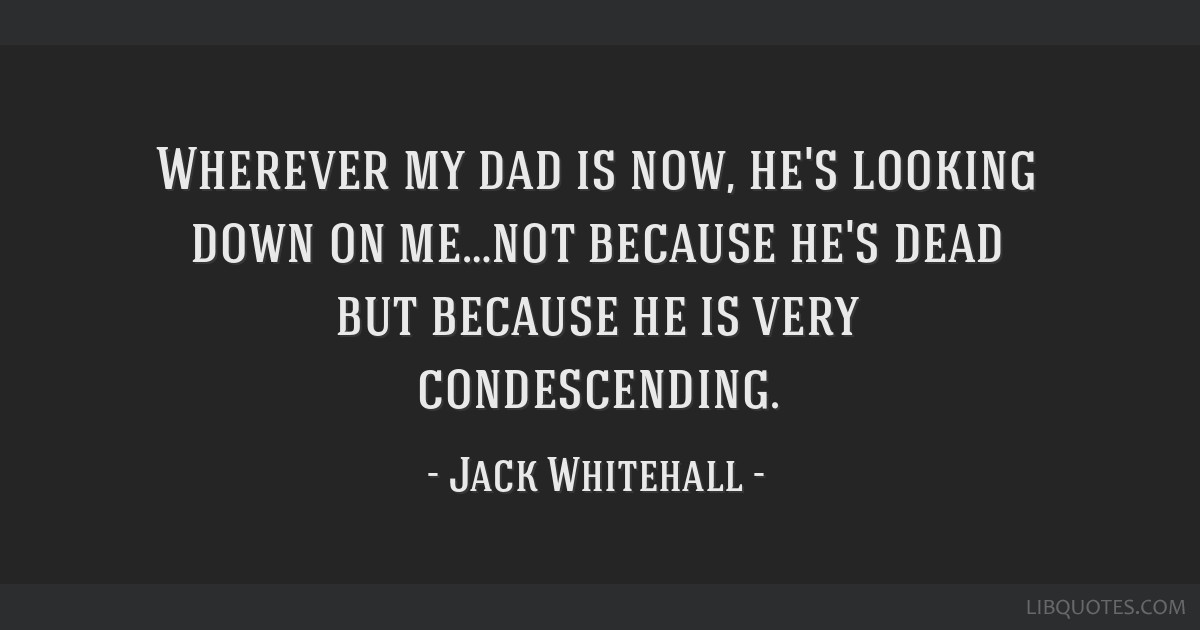
Jack’s line offers the latter—recognition. It’s not aspirational. It’s observational. And that’s what makes it stick.
In an age of curated LinkedIn personas and corporate jargon, audiences crave authenticity. They want to hear someone say, “Yeah, my dad’s judgmental. My boss is passive-aggressive. I’m faking confidence half the time.”
That honesty is the foundation of real connection—whether in comedy, leadership, or team dynamics.
Platforms like Instagram and X are flooded with quotes about “grinding” and “hustle.” Jack’s quote is different. It’s about surviving your dad’s side-eye. That’s more real than any productivity tip.
Practical Takeaways for Leaders and Teams
You don’t need to be a comedian to use Jack Whitehall’s insights. But you do need to embrace discomfort.
Actionable steps: - Name the unspoken: In team retrospectives, ask: “What’s something we all feel but no one says?” - Laugh at hierarchy: Use humor to diffuse power imbalances. A well-timed, self-aware joke about “management watching” can ease tension. - Normalize imperfection: Share your own missteps early. It gives others permission to do the same. - Question the “gaze”: When stress spikes, ask: “Is this real pressure, or am I imagining someone judging me?” - Use storytelling: Replace corporate speak with personal anecdotes. They land better and build trust.
These aren’t soft skills. They’re cultural levers. And like Jack’s comedy, they work because they’re human.
Final Thought: The Power of Saying
It Like It Is
Jack Whitehall’s “looking down on us” quote endures because it’s true. Not literally—his dad is alive and frequently filming. But emotionally? Yes, someone’s always watching. Someone’s always judging. And pretending they’re not doesn’t help.
In work culture, the move isn’t to eliminate the gaze. It’s to laugh at it. To admit it’s there. To say, like Jack, “I know you’re watching. I’m still going to do it my way.”
That’s not rebellion. It’s integrity.
So the next time you feel the weight of expectation—from a boss, a parent, or your own inner critic—remember Jack’s line. You’re not broken. You’re just human. And sometimes, the best response isn’t a solution. It’s a joke.
FAQ
What is Jack Whitehall’s most famous quote? While he has many memorable lines, “I’m sure wherever my dad is, he’s looking down on us. He’s not dead, just very…” has become one of his most shared quotes for its blend of humor and emotional truth.
Is Jack Whitehall’s dad actually judgmental? Yes, but affectionately so. Their dynamic is exaggerated for comedy, but Jack has confirmed that Michael is traditional, reserved, and often bemused by his son’s lifestyle.
How does Jack Whitehall use humor to discuss family relationships? He uses self-deprecation, irony, and exaggeration to expose real emotional tensions, making difficult topics like generational gaps and emotional repression accessible and funny.
Can humor improve workplace culture? Yes, when used authentically. Humor reduces tension, builds connection, and can make leadership more approachable—especially when it includes self-awareness.
Why do people share this quote as a “quote of the day”? It’s relatable, short, and emotionally intelligent. It captures universal feelings of being judged, while doing so with wit and lightness.
Does Jack Whitehall’s comedy have deeper social commentary? Absolutely. Beneath the jokes are critiques of class, emotional repression, and the performance of masculinity—especially in British culture.
How can leaders apply Jack Whitehall’s style of honesty? By admitting uncertainty, acknowledging tension, and using humor to humanize themselves—without undermining authority.
FAQ
What should you look for in Jack Whitehall's Quote of the Day: Humor, Honesty, and Human Truths? Focus on relevance, practical value, and how well the solution matches real user intent.
Is Jack Whitehall's Quote of the Day: Humor, Honesty, and Human Truths suitable for beginners? That depends on the workflow, but a clear step-by-step approach usually makes it easier to start.
How do you compare options around Jack Whitehall's Quote of the Day: Humor, Honesty, and Human Truths? Compare features, trust signals, limitations, pricing, and ease of implementation.
What mistakes should you avoid? Avoid generic choices, weak validation, and decisions based only on marketing claims.
What is the next best step? Shortlist the most relevant options, validate them quickly, and refine from real-world results.

:max_bytes(150000):strip_icc():focal(728x145:730x147)/malcolm-in-the-middle-reboot-justin-berfield-erik-per-sullivan-frankie-munz-bryan-cranston-032625-ba641070781e4402978a76b2ed030e7c.jpg)