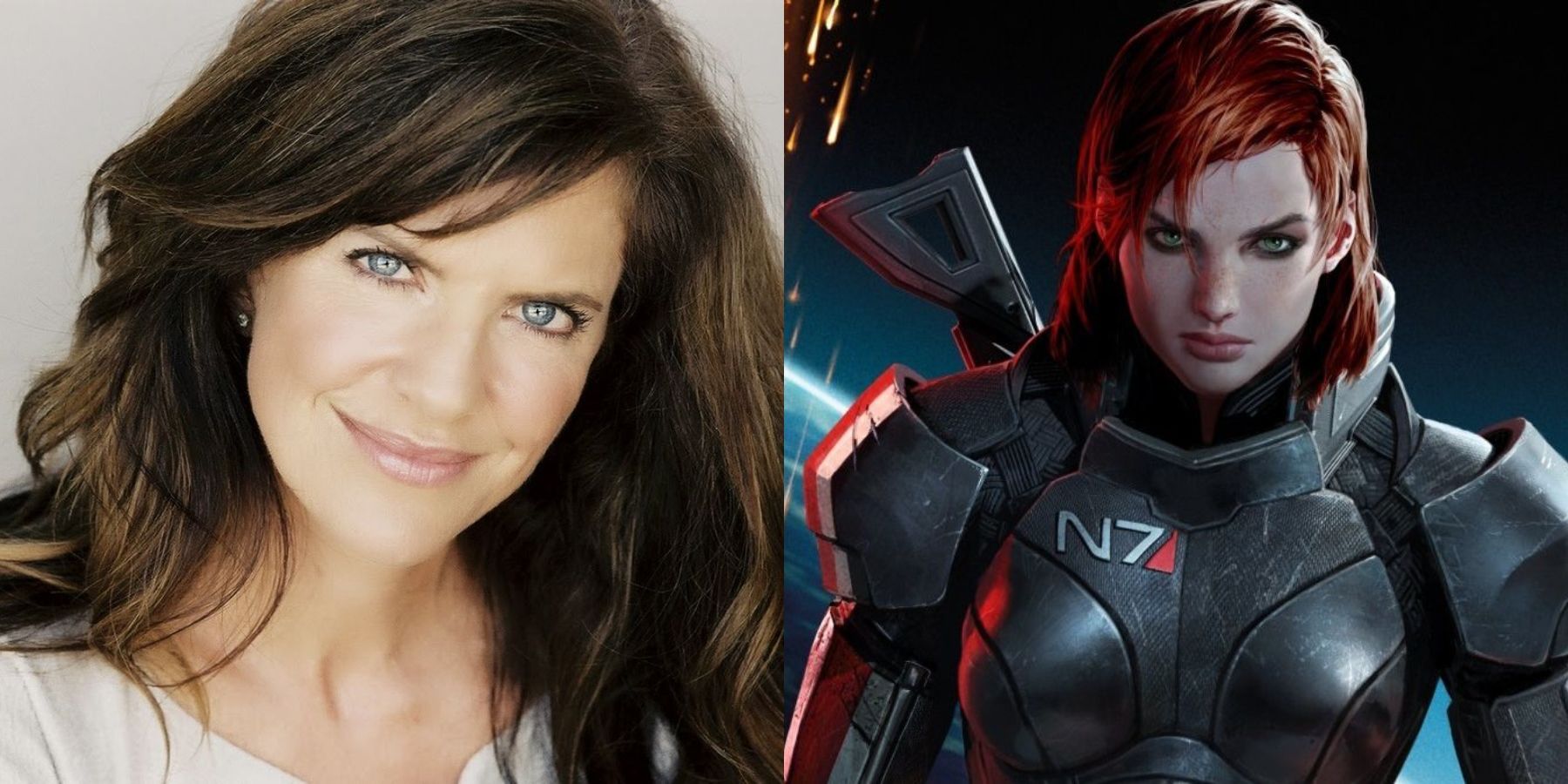
Few franchises stir fan passion like Mass Effect. When a controversial character re-emerges—especially one tied to divisive narrative choices—the reaction is rarely neutral. Recently, a key voice actor from the beloved sci-fi RPG series broke their long-standing silence, offering rare insight into the return of a figure many thought best left in the past. Their comments don’t just address fan speculation—they illuminate how performers navigate legacy roles that have sparked years of debate.
This isn’t just about whether a character should return. It’s about accountability, creative ownership, and the emotional labor behind portraying someone fans love to hate.
The Character No One Could Forget—For the Wrong Reasons
Few figures in the Mass Effect trilogy generate as much polarized sentiment as Conrad Verner. Introduced in Mass Effect 1, he’s a self-described fanboy who idolizes Commander Shepard to an almost pathological degree. His arc culminates in Mass Effect 2, when Shepard is forced to either talk him down or shoot him in the face after he nearly gets himself killed wielding an unlicensed firearm in an attempt to emulate their hero.
On paper, it’s a cautionary tale about blind fandom. In execution, it became one of the franchise’s most mocked moments.
Fans criticized the scene as tonally jarring, narratively thin, and emblematic of BioWare’s occasional lapse into camp. Yet, actor Martin Jarvis—who voiced Verner—never publicly addressed the backlash—until now.
Jarvis Speaks: "I Knew It Would Be Divisive"
In a recent interview with a digital gaming publication, Jarvis confirmed he was aware of the character’s controversial reception but stands by the performance and its underlying message.
"Conrad was never meant to be heroic," Jarvis said. "He was meant to reflect what happens when admiration loses its boundaries. I knew people might laugh. I also hoped some would pause and think: Have I ever done something reckless because I wanted to be like someone else?"
His comments mark a rare instance of a voice actor directly engaging with the cultural afterlife of a minor but memorable role. Unlike major characters such as Wrex or Tali, Verner didn’t return in Mass Effect 3—but fan theories about his potential reappearance never fully died.
Jarvis acknowledged rumors of Verner’s possible return in future installments, including Mass Effect: Andromeda or a rumored Mass Effect 4, but remained noncommittal.
"I haven’t been contacted about reprising the role. But if they asked? I’d do it. Not because I think he’s underappreciated—but because he still has something to say."
Why a Controversial Return Matters
The idea of bringing back a maligned character isn’t unique to Mass Effect. Gamers have seen figures like Sonic the Hedgehog redesigned after backlash, or Starfield’s repeated narrative stumbles spark studio reconsideration. But Verner’s case is different. He wasn’t poorly designed—he was poorly received because his satire didn’t land for everyone.
A return would require more than nostalgia. It would demand narrative rehabilitation.
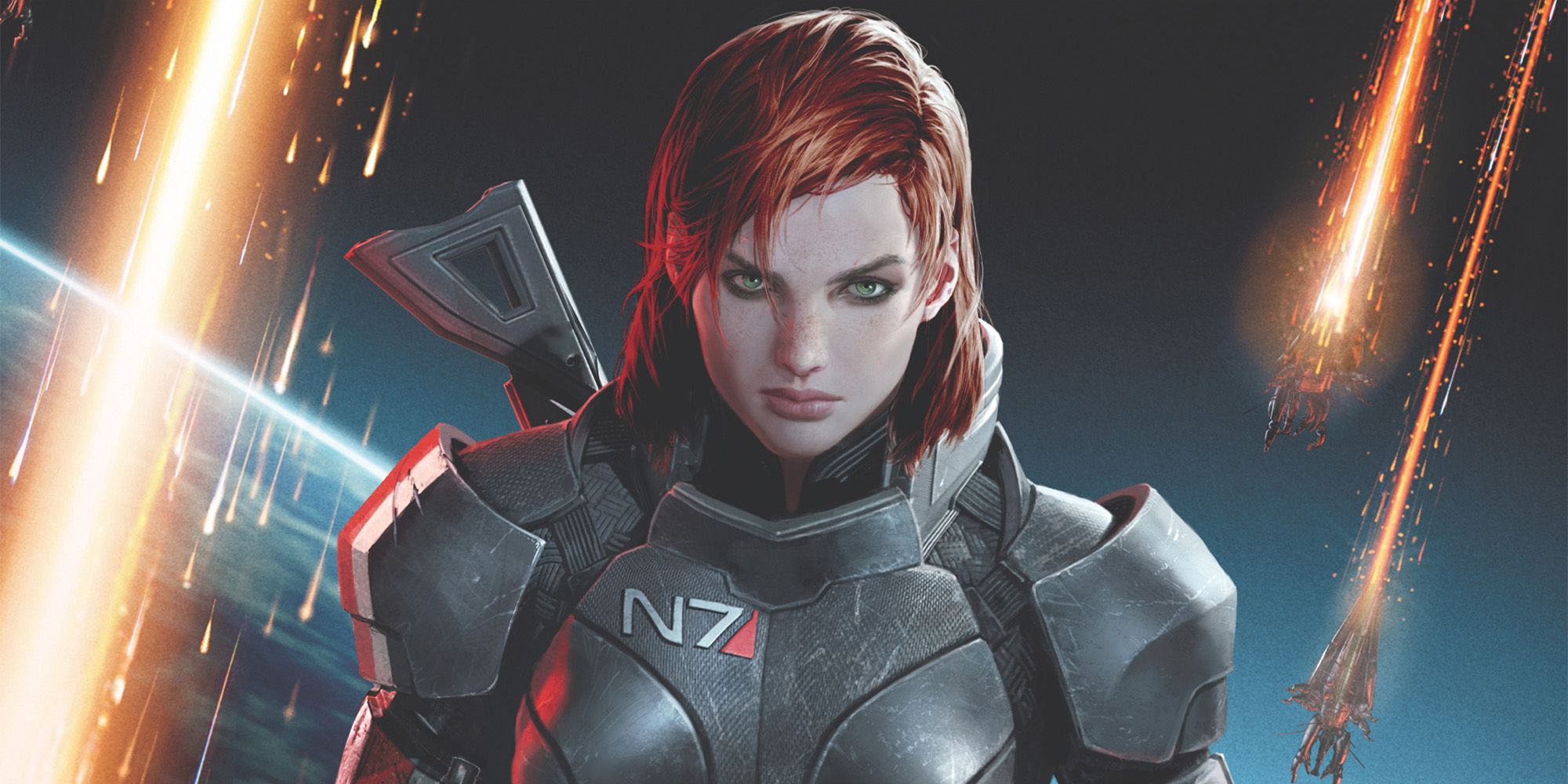
Consider these possible directions: - Redemption arc: Verner survives the encounter, learns humility, and becomes a grounded advocate for responsible fandom. - Cautionary callback: His reappearance serves as a narrative mirror—showing how Shepard’s legacy has been distorted. - Meta-commentary: The game acknowledges the player’s past choice, asking whether mercy or violence truly changed anything.
Jarvis’ openness suggests he sees value in revisiting the character with greater nuance—something many fans now agree the moment deserves.
Fan Backlash and the Weight of Legacy
Not all responses to Jarvis’ comments were supportive. On Reddit and X (formerly Twitter), reactions split sharply.
Some praised his willingness to defend a misunderstood role: > “Verner was a mirror. We didn’t like what we saw, so we blamed the mirror.”
Others remained unconvinced: > “Shooting him wasn’t edgy—it was satisfying. Don’t bring him back.”
This divide reflects a broader tension in gaming culture: when do creators revisit controversial choices, and when should they let them rest?
There’s also an unspoken layer—voice actors rarely get credit for shaping minor roles. Performers like Jarvis invest emotional energy into characters with only minutes of screen time. To dismiss the role is, in some ways, to dismiss the actor’s craft.
What the Actor’s Comments Reveal About Creative Responsibility
Jarvis’ interview does more than clarify his stance—it highlights how voice actors navigate the long shadow of iconic franchises.
Many performers in Mass Effect have gone on to other high-profile work—Seth Green as Joker, Jennifer Hale as female Shepard, Raphael Sbarge as Kaidan. But few have revisited their roles in interviews with the same level of introspection.
- Three key takeaways stand out:
- Ownership without defensiveness: Jarvis acknowledges the criticism but doesn’t vilify fans. He frames the backlash as part of the character’s purpose.
- Artistic patience: He waits for the right narrative reason to return, not just fan service.
- Moral complexity: He treats Verner not as a joke, but as a psychological study in fandom gone awry.
This approach contrasts with other franchises where actors distance themselves from unpopular roles. Instead, Jarvis leans into the discomfort—because that’s where growth lies.
Could Verner’s Return Actually Work?
Skeptics will argue that resurfacing a punchline from 2008 risks alienating players even further. But recent storytelling trends suggest otherwise.
Games like The Last of Us Part II and Disco Elysium have proven that audiences embrace morally complex, even uncomfortable narratives—especially when handled with depth.
A successful Verner return would require: - Narrative integration: He can’t be a cameo. He must serve the plot. - Emotional maturity: The writing should reflect how both he and the galaxy have changed. - Player agency: Allow choices that reflect the player’s history with the character—did you save him? Mock him? Forget him?
BioWare has a track record of resurrecting characters with care—Liara’s evolution from naive scientist to Shadow Broker being a prime example. Verner doesn’t need to reach that level—but he deserves a chance to evolve.

Imagine this scenario: In Mass Effect 4, Shepard (or a new protagonist) encounters a grassroots movement inspired by their legend. At its center? A reformed Verner, now running a veterans’ support network for former soldiers traumatized by the Reaper Wars. His methods are unorthodox, even grating—but his intentions are genuine.
Would players respect him? Maybe not. But they’d have to reckon with him.
The Bigger Picture: What Fans and Developers Can Learn
Jarvis’ comments aren’t just about one character. They’re about how we treat creative risk.
Mass Effect took chances—some landed (Mordin’s sacrifice), some didn’t (the ending of ME3). But without risk, there’s no innovation. Dismissing Verner as “cringe” ignores the intent behind his creation: to question the cost of hero worship in a war-torn universe.
Developers should consider: - Revisiting minor characters with narrative potential - Collaborating with actors who understand their roles’ emotional core - Using fan feedback as insight—not a mandate
Fans, in turn, might ask: - Are we rejecting a character—or the idea he represents? - Can satire in games be taken seriously? - Do we allow room for redemption, even in fiction?
Closing: A Role Worth Reconsidering
Martin Jarvis didn’t set out to create a meme. He set out to tell a human story—one about obsession, identity, and the gap between idols and reality. That it became controversial isn’t a failure. It’s evidence it struck a nerve.
The return of Conrad Verner shouldn’t be decided by nostalgia or outrage. It should be judged by whether the story demands it—and whether the team, including the actor who brought him to life, believes in its purpose.
If and when Verner comes back, he shouldn’t be a gag. He should be a reminder: heroes shape worlds, but how the world reflects them? That’s the real story.
For fans, developers, and performers alike, there’s value in revisiting the uncomfortable—especially when someone like Jarvis is willing to lead the conversation.
FAQ
Why is Conrad Verner considered controversial in Mass Effect? Verner is seen by some as a tone-breaking, cringeworthy character whose exaggerated fandom clashes with the game’s serious themes, particularly in his Mass Effect 2 appearance.
Did Martin Jarvis enjoy playing Conrad Verner? Yes—Jarvis has expressed pride in the role, viewing Verner as a commentary on blind hero worship rather than a mere comic relief character.
Has Conrad Verner appeared in any Mass Effect games after ME2? No—he was absent in Mass Effect 3 and has not appeared in Andromeda or any spin-offs.
Could Verner return in a future Mass Effect game? While unconfirmed, Martin Jarvis has said he’d reprise the role if asked, suggesting the door isn’t closed.
What message does Verner’s character convey? He serves as a cautionary figure about the dangers of unchecked admiration and the consequences of emulating heroes without understanding their burdens.
How have fans reacted to Jarvis’ comments on Verner’s return? Reactions are split—some appreciate the deeper thematic intent, while others remain critical of the character’s execution.
Is there narrative value in bringing back disliked characters? Yes—when handled with purpose, even controversial characters can evolve and enrich a story’s world and themes.
FAQ
What should you look for in Mass Effect Actor Breaks Silence on Controversial Character Return? Focus on relevance, practical value, and how well the solution matches real user intent.
Is Mass Effect Actor Breaks Silence on Controversial Character Return suitable for beginners? That depends on the workflow, but a clear step-by-step approach usually makes it easier to start.
How do you compare options around Mass Effect Actor Breaks Silence on Controversial Character Return? Compare features, trust signals, limitations, pricing, and ease of implementation.
What mistakes should you avoid? Avoid generic choices, weak validation, and decisions based only on marketing claims.
What is the next best step? Shortlist the most relevant options, validate them quickly, and refine from real-world results.

:max_bytes(150000):strip_icc():focal(728x145:730x147)/malcolm-in-the-middle-reboot-justin-berfield-erik-per-sullivan-frankie-munz-bryan-cranston-032625-ba641070781e4402978a76b2ed030e7c.jpg)