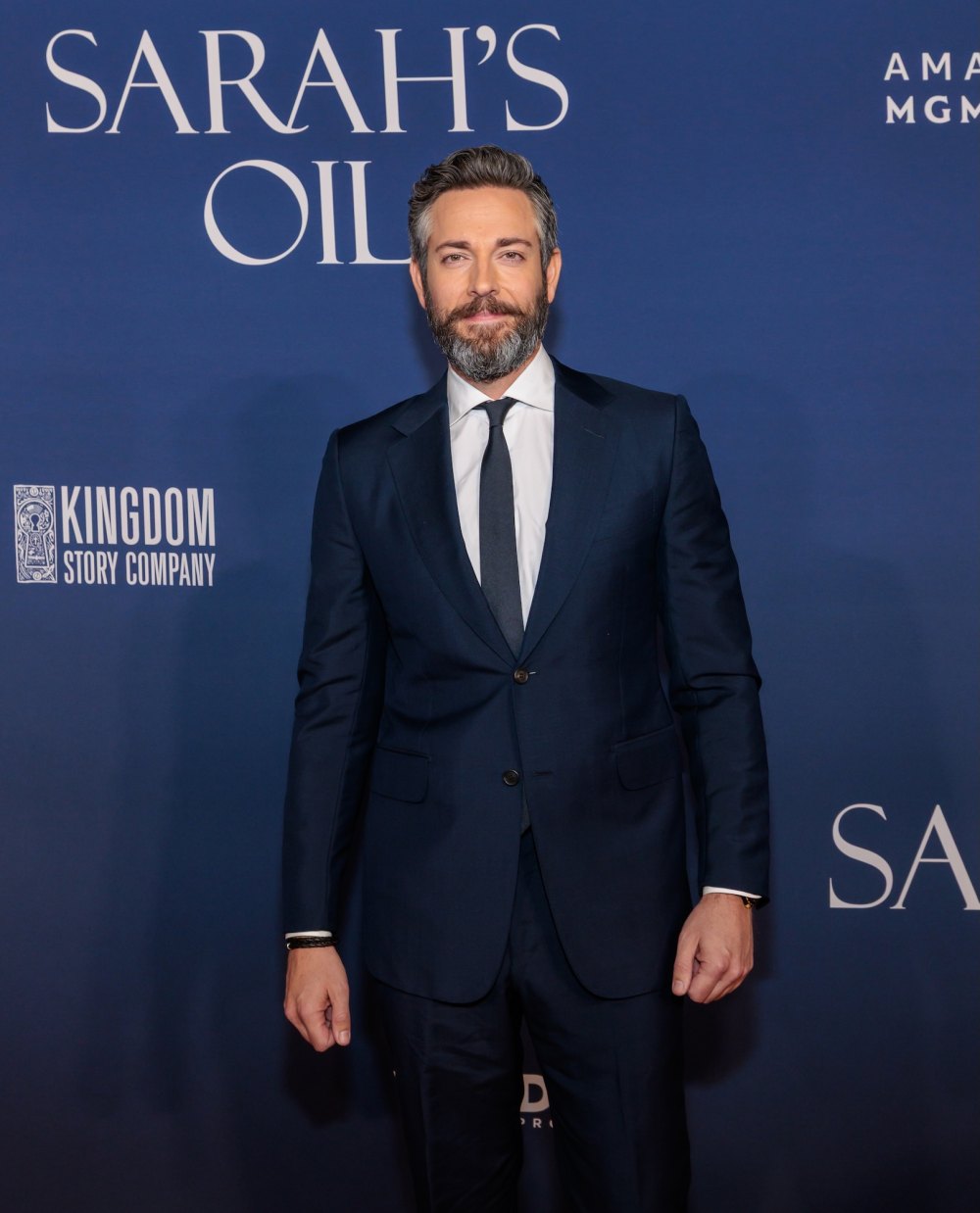
When gunfire shattered the evening at the White House Correspondents' Dinner (WHCD) event, actor Zachary Levi was seated just feet from the stage. In the moments that followed, the Shazam! star didn’t turn to heroics—this time, he became a witness to real-life chaos. His account of what happened inside the ballroom offers one of the most visceral, unfiltered perspectives from that night. While public reports focused on law enforcement response and suspect details, Levi’s recollection painted a picture of confusion, fear, and the fragility of high-profile gatherings.
This isn’t just a recounting of a security breach. It's a human document of how even the most composed environments can unravel in seconds—and how someone known for playing heroes reacted when there was no script to follow.
Inside the Ballroom: The First Moments of Panic
Levi was seated at a prime table near the front, surrounded by journalists, politicians, and fellow celebrities. The energy was light, punctuated by humor from the night’s host. Then, a series of loud, sharp sounds cut through the clinking glasses and laughter.
“My first thought wasn’t ‘gunfire,’” Levi later told a news outlet. “It sounded like a speaker popping. Or maybe chairs falling. But then people started screaming, and that’s when you feel it—the shift in the air.”
Within seconds, attendees near the back of the room began surging forward. Waitstaff dropped trays. A woman beside Levi stood up, then froze, looking around as if waiting for instructions that never came.
Levi noted how disorienting it was: “No one knew where the sound came from. Was it inside? Outside? Was it real? For ten, maybe fifteen seconds, the room was in this suspended disbelief.”
That hesitation—common in active threat situations—is now recognized as part of the “natural human response curve.” People don’t instantly flee. They scan, confirm, and only then react. In a room full of public figures used to controlled environments, that lag was amplified.
Levi’s Response: Instinct Over Action
Despite portraying a superhero capable of flight and super strength, Levi emphasized that his real-life reaction was far more grounded.
“I didn’t run toward anything. I didn’t try to tackle anyone. I ducked under the table with three others and stayed low,” he said. “People who say they’d ‘rush the shooter’—I used to think I would too. But when it’s real, your body has a different plan.”
His description aligns with trauma response psychology: the freeze response is just as valid as fight or flight. In high-stress incidents, especially unexpected ones, people often report time distortion, tunnel vision, and auditory exclusion—where sounds fade or become muffled.
Levi recalled: “I remember seeing a waiter crawl past on his hands and knees, holding a napkin like it was a flag of surrender. I thought, ‘Why a napkin?’ Later, I realized he was just holding what was in his hand. We do strange things when scared.”
Security Failures and the Illusion of Safety
One of the most jarring aspects of Levi’s account was his observation about security presence.
“There were agents everywhere—visible, uniformed, blending in,” he said. “But when the noise happened, it took almost a full minute before anyone with a badge moved with urgency.”
That delay, though brief, contributed to the spread of panic. Multiple guests reported shouting at security personnel, asking for direction. Some began evacuating on their own, only to be blocked by locked side exits—meant as controlled access points but now trapping people inside.
Event planners often prioritize aesthetics over practical emergency egress. Ballrooms are designed for glamour, not rapid dispersal. In this case, ornate doors with deadbolts, narrow hallways, and dimmed lighting complicated escape routes.
Levi highlighted a moment that underscored the breakdown:
“I saw a congresswoman—I won’t say who—yelling at a guard, ‘Open the damn door!’ And he was fumbling with a keycard. That’s when I realized: even the people supposed to protect us were unprepared for this.”
The Role of Celebrities in Crisis Moments
Levi’s presence brought a unique lens to the incident—not just as a witness, but as a public figure whose actions could influence others.
In active threat scenarios, people often look to authority figures or known personalities for cues. During the WHCD shooting, some guests reportedly turned to Levi, perhaps expecting him to act.
“I saw someone point at me,” he recalled. “Not in fear—like I was supposed to do something. But what? I’m not trained. I’m an actor playing a guy with magic powers. That’s not real.”
This “hero expectation” can be dangerous. Social conditioning, fueled by movies and media, leads people to believe that in a crisis, someone will step up instantly. But real emergencies don’t follow narrative arcs.
Levi’s honesty about his limitations—admitting fear, hesitation, and confusion—actually made his account more valuable. It dismantled the myth of the “instant hero” and highlighted the need for better public education on crisis response.
What the Footage Doesn’t Show
While news outlets replayed exterior footage of police vehicles and suspect apprehension, the internal ballroom footage remained restricted. Levi’s verbal account filled that void.
He described: - A journalist using a tablecloth to bandage another guest’s arm (later confirmed as a minor shrapnel injury) - A comedian trying to calm people with jokes, even as he trembled - The eerie silence that followed the initial chaos—no announcements, no instructions
“The sound system was dead,” Levi said. “No one was on the mic. No emergency broadcast. That silence was worse than the noise.”
This gap in communication is a common failure in event security. Mass gatherings often lack integrated public address systems tied to emergency protocols. Without clear instructions, misinformation spreads.
In this case, rumors flew within minutes: “There’s a second shooter,” “They’re targeting lawmakers,” “It’s a bomb.” Levi said he heard at least four different versions in the first ten minutes after the shots.
Aftermath: Trauma and Advocacy
In the days following the incident, Levi didn’t return to social media with dramatic statements. Instead, he quietly attended therapy sessions and spoke with crisis counselors.
“I’ve played characters who survive war zones, explosions, apocalypses,” he said. “But this was different. This was real trauma. And it doesn’t just go away because you’re ‘okay.’”
He has since become an advocate for better event safety protocols, particularly at high-profile gatherings. Working with security consultants, he’s pushed for: - Mandatory emergency briefings for VIP attendees - Clear evacuation signage in event venues - Integration of real-time communication systems during live events
More importantly, he’s spoken openly about mental health. “We need to stop glorifying ‘toughing it out,’” he said. “If you were in that room, it’s okay if you’re not fine.”
Lessons from Levi’s Account
Levi’s experience offers more than a dramatic retelling—it’s a case study in human behavior under duress.
Key takeaways: - Sound confusion delays response: Not every gunshot is instantly recognized. Training should include auditory drills. - Freeze is normal: People don’t always run. Accepting this can reduce guilt and improve post-event support. - Leadership cues matter: In the absence of official direction, people look to those they recognize—even if they’re unqualified. - Communication is critical: A functioning PA system with emergency scripts can prevent panic escalation. - Aftercare is not optional: Trauma doesn’t discriminate. Even “minor” exposure can lead to long-term effects.
For event organizers, Levi’s story should prompt a reevaluation of safety plans. For the public, it’s a reminder that heroism isn’t always bold action—it can be surviving, speaking up, and seeking help.
Final Thoughts
Zachary Levi didn’t save the night. No one did, in the cinematic sense. But by sharing his experience with honesty and restraint, he did something arguably more important: he humanized a crisis.
In a world that often demands heroes, his account reminds us that survival isn’t about power, speed, or bravery. It’s about presence, patience, and the courage to admit fear.
For anyone attending large events—from galas to concerts—Levi’s words serve as both warning and comfort: be aware, be prepared, but don’t expect perfection from yourself or the system.
Stay alert. Stay grounded. And if the unthinkable happens, remember—surviving is enough.
FAQ
What should you look for in Zachary Levi Recalls Chaos During WHCD Shooting? Focus on relevance, practical value, and how well the solution matches real user intent.
Is Zachary Levi Recalls Chaos During WHCD Shooting suitable for beginners? That depends on the workflow, but a clear step-by-step approach usually makes it easier to start.
How do you compare options around Zachary Levi Recalls Chaos During WHCD Shooting? Compare features, trust signals, limitations, pricing, and ease of implementation.
What mistakes should you avoid? Avoid generic choices, weak validation, and decisions based only on marketing claims.
What is the next best step? Shortlist the most relevant options, validate them quickly, and refine from real-world results.

:max_bytes(150000):strip_icc():focal(728x145:730x147)/malcolm-in-the-middle-reboot-justin-berfield-erik-per-sullivan-frankie-munz-bryan-cranston-032625-ba641070781e4402978a76b2ed030e7c.jpg)